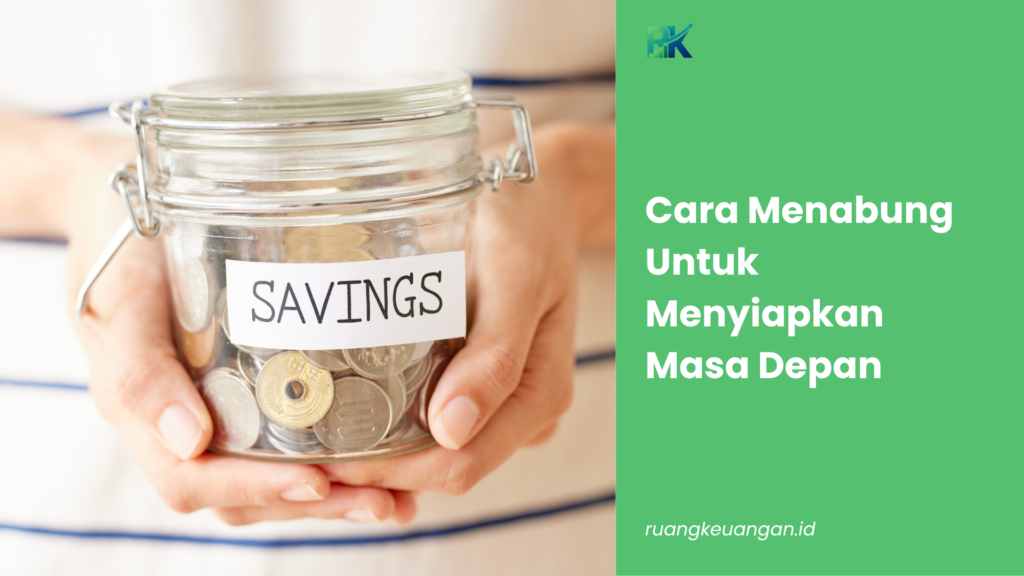
How to Save Money – The fastest way to start saving is to pay yourself first, then remove three leaks from your monthly budget: unused subscriptions, an overpriced energy plan, and an auto renewed insurance policy. That is the short answer on how to save money without waiting for a pay rise or making dramatic sacrifices. Everything below expands on that answer with the exact steps, the order to do them in, and the amount each one typically frees up.
Quick summary of the 7 steps
- Treat saving like a fixed bill, not a leftover
- Audit every subscription you pay automatically
- Change how you shop for food, not what you eat
- Reduce energy costs with a provider review plus daily habits
- Compare insurance quotes once a year, every year
- Rethink how you travel and commute
- Separate needs from wants before every purchase
1. Treat Saving Like a Regular Bill
How to Save Money? Most people save whatever is left at the end of the month. Usually nothing is left. Flip the order instead: the moment your salary lands, move a fixed amount into a separate savings account through a standing order or automatic transfer.
The amount matters less than the automation. A transfer of 50 per month becomes 600 in a year, which is enough to absorb a car repair or a broken appliance without reaching for a credit card. Start with an amount so small it feels almost pointless, then raise it after two or three pay cycles.
Action step: Set up the standing order for the same day your salary arrives, not a random mid month date.
2. Audit Your Subscriptions
Subscriptions are designed to be invisible. They renew silently, they are small individually, and they add up ruthlessly.
Open your bank statement or card statement for the last three months and list every recurring charge. Streaming, cloud storage, gym, apps, software, delivery memberships. For each one, ask a single question: did I actually use this in the last 30 days?
Three moves usually work:
- Cancel anything you did not use in the last month
- Downgrade to a cheaper tier, family plan, or student plan where one exists
- Negotiate by starting the cancellation flow, because many providers offer a retention discount at that exact moment
Cancelling four forgotten subscriptions at 10 each recovers 480 a year for roughly 20 minutes of work. Very few side hustles pay that well per hour.
3. How to Save Money on Food Without Eating Worse
Groceries are the largest flexible expense in most households, which makes them the highest leverage place to cut. The goal is not to eat less. The goal is to stop paying for waste and impulse.
Four habits that consistently reduce the weekly bill:
- Plan meals for the week before you shop. A list built from a plan resists impulse buying.
- Never shop hungry or without a list. Both reliably inflate the basket.
- Buy own brand staples. Rice, pasta, flour, tinned goods, cleaning products are largely identical to name brands at a lower price.
- Check the app or weekly offers first. Discounts are worth using only on items you were already going to buy.
Buying in bulk works, but only for items you genuinely consume before they expire. Bulk buying perishables you throw away is not saving, it is prepaying for waste.
Also Read: 8 How to Make Money as a Teenager Realistic Methods That Actually Work in 2026
A Simple Weekly Routine for How to Save Money on Groceries
- Sunday: check what is already in the fridge, freezer and cupboard
- Build a meal plan around what you already own
- Write the shopping list from the plan, not from memory
- Shop once, with the list, and skip the aisles you do not need
- Cook one batch meal that covers two or three dinners
Households that follow this routine typically cut 15 to 25 percent from their food spend without changing what they eat.
4. Take Control of Your Energy Bills
Energy costs move in two directions at once: the tariff you are on and the way you use power at home. Both need attention.
On the tariff side: most providers reserve their best rates for new customers. If you have not switched or renegotiated in over 12 months, you are almost certainly on a default rate that is higher than the market. Compare, then either switch or call and ask your current supplier to match.
On the usage side: the biggest consumers are heating, cooling, water heating, and anything with a heating element. Lowering the thermostat by one degree, running full laundry loads on cooler cycles, and switching off standby power all produce real reductions. If you have a smart meter, use it to identify which appliances are quietly draining you.
5. Review Your Insurance Every Single Year
How to Save Money? Insurance is the most common place where loyalty is punished. Premiums drift upward at renewal because most people let auto renewal happen without looking.
Put a reminder in your calendar four weeks before each policy renews: car, home, health, travel, device cover. Get three quotes. Then either switch or use the cheaper quote as leverage with your current insurer.
Switching a single car policy after comparing options can save 200 or more per year. Doing this across two or three policies makes it one of the highest return hours you will spend on your finances.
6. Rethink How You Travel
Transport hides its true cost because it is paid in fragments: fuel, parking, tolls, servicing, tyres, insurance, depreciation.
Options that reduce it:
- Use public transport for repeated, predictable journeys such as the daily commute
- Cycle or walk any trip under 3 kilometres where it is safe to do so
- Share journeys with colleagues or neighbours on a fixed route
- Check whether your employer offers commuter ticket schemes or cycle to work schemes, which are often tax advantaged
- Combine errands into one trip instead of several short drives
Even removing two car days per week produces a visible drop in fuel and maintenance spend across a year.
7. Separate Needs From Wants Before You Spend
This is the hardest step and the one that makes the other six stick. A need is something that protects your health, your housing, your income, or your safety. Everything else is a want, and wants are not forbidden, they just need to be chosen deliberately.
Use a delay rule. For any non essential purchase above a threshold you set, for example 50, wait 48 hours before buying. A large share of impulse purchases simply lose their appeal once the urgency fades. What remains after the delay is usually something you actually wanted.
What Results Should You Expect?
A realistic estimate of what each step frees up in a year:
| Step | Typical annual saving |
|---|---|
| Automating savings | 600 (redirected, not lost) |
| Cancelling unused subscriptions | 300 to 500 |
| Smarter grocery habits | 500 to 900 |
| Energy tariff switch plus habits | 200 to 400 |
| Insurance comparison | 150 to 300 |
| Reduced car use | 200 to 600 |
The point is not the exact numbers, which vary by household. The point is that four or five moderate changes stacked together produce a bigger result than one heroic change you abandon in three weeks.
Common Mistakes That Cancel Out Your Progress
- Cutting everything at once. Extreme austerity fails the same way crash diets fail. Cut two or three things and keep them cut.
- Saving without a separate account. Money left in your current account gets spent. Move it out.
- Confusing a discount with a saving. Spending 80 to save 20 on something you did not need is spending 80.
- Ignoring the big three. Housing, transport, and food outweigh coffee. Optimising small pleasures while ignoring a bad energy tariff is misplaced effort.
- No emergency buffer. Without one, a single unexpected bill pushes you back onto credit and undoes months of work.
Where to Start This Week
If you do only one thing, set up the automatic transfer. If you do two, add the subscription audit. Those two steps take under an hour combined and they change the default direction of your money.
Knowing how to save money is rarely the obstacle. The obstacle is the gap between knowing and doing, and that gap is closed by automation and by removing decisions rather than by relying on willpower.
Frequently Asked Questions How to Save Money
1. How much of my income should I save each month? A common benchmark is 20 percent of net income, split between an emergency fund and longer term goals. If that is unrealistic right now, start at 5 percent. A consistent small amount beats an ambitious amount you abandon after two months.
2. What is the fastest way to save money if I need results this month? Cancel unused subscriptions and pause all non essential purchases for 30 days. Both take effect immediately and require no negotiation with anyone.
3. Should I pay off debt or build savings first? Build a small emergency buffer first, typically one month of essential expenses. Then attack high interest debt aggressively, because interest above roughly 10 percent will outrun anything your savings account earns.
4. How big should an emergency fund be? Three to six months of essential expenses is the standard target. If your income is irregular or you are self employed, aim for the upper end of that range.
5. Does cutting small daily expenses actually work? It works only when it is consistent and paired with structural cuts. Skipping a daily coffee saves a modest amount. Switching an overpriced energy tariff or insurance policy saves more, permanently, with one hour of effort.
6. What is the best way to stop impulse spending online? Remove saved card details from browsers and shopping apps, and apply a 48 hour delay rule to any non essential purchase. Adding friction is more effective than relying on self control at the moment of temptation.
7. How long before I see real results? Automated savings and subscription cuts show up in the first month. Grocery, energy, and insurance changes show up over three to six months. Treat it as a compounding process, not a single event.